



The Difference Between Hybrid vs EV
The Difference Between Hybrid vs EV
Let’s Break Down the Difference Between a Hybrid and an EV Shall We?
At Kia of Clermont, we offer a full selection of the latest and most advanced Kia vehicles. Our inventory not only includes ultra-efficient vehicles with traditional internal combustion engines, but we also feature hybrid and 100% electric vehicles – each of which offers its own set of benefits for you to enjoy.
At our dealership, we not only provide a wide inventory of vehicles for you to choose from, but we also provide helpful insight to help you make the best decision. Let’s dive in and explore the difference between hybrid and electric vehicles, and be sure to stop by Kia of Clermont to test drive your favorite model.
Hybrids vs EVs –The Difference in Architecture
Hybrid and electric vehicles have a few key differences that may have large impacts on how you travel.
The Underpinnings of a Hybrid
The traditional hybrid vehicle will feature an efficient internal combustion engine that is paired with a small electric motor that aims to save fuel. This small electric motor is powered by a small battery pack that is maintained and recharged without needing to be plugged in. Hybrid vehicles are able to recharge their own batteries through regenerative braking, meaning they capture kinetic energy as you decelerate and send this power back to the battery. However, hybrid vehicles will need to be refueled with gasoline to power the combustion engine.
Plug in Hybrid
Plug-in hybrid vehicles use the same architecture of a traditional hybrid, but often feature larger battery packs for more efficiency. Plug-in hybrids often need to be plugged in to recharge their larger battery packs, but usually feature the ability to drive 20 to 30 miles on battery electric power. Plug-in hybrid vehicles will need to be refilled with gasoline, and will also need to be recharged at night, however, they offer better fuel economy than hybrid vehicles.
Battery Electric Vehicles
Battery electric vehicles do not feature a combustion engine and run on 100% battery power. While a plug-in hybrid vehicle might feature a battery of roughly 15 kWh, a full electric vehicle may employ a battery that is roughly 60-90 kWh. Battery electric vehicles may also feature two to three electric motors and may be configured with either front, rear, or all-wheel drive. Electric vehicles are also known for their high-performance characteristics, thanks to their instant torque, balanced handling, and quick acceleration. Electric vehicles often return the best fuel economy due to their high efficiency paired with the low cost of electricity.
Let’s Talk About Refueling and Recharging
Hybrid and electric vehicles also differ and how they are recharged or refueled:
Hybrid Vehicles
If you are switching from a traditional gasoline-powered engine, switching to a hybrid will be a seamless transition. You will fill your vehicle with fuel just as you did before (except you might go to the fueling station less often because of your hybrid’s high efficiency).
Plug-In Hybrid Vehicles
Plug-in hybrid vehicles will also need to be filled with fuel, however, the frequency that you will visit the gas station will depend largely on how much electricity your vehicle uses each day. Many drivers are able to commute to work and back without their gas powered engine engaging, making trips to the gas station few and far between. On the other hand, it is highly recommended to install a home charger so that you can recharge your battery each night and make the most of your vehicle’s efficiency.
Full Electric Vehicles
Electric vehicles will never need to be refueled, so if you decide to switch to an electric vehicle, you can say bye-bye to paying high fuel prices. However, your vehicle will need to be recharged routinely. With an electric vehicle, it is highly recommended to install a home charger. This allows you to save the most money, as public charging is more expensive, and this method allows you to wake up each morning with a charged battery.
Many prospective buyers worry about road trips and recharging on the go, however, many Kia electric models can travel more than 300 miles on a single charge. Thanks to DC fast-charging capabilities, many models can recharge from 10 to 80% and as little as 18 minutes.
Test Drive a New Kia in Clermont, FL Today!
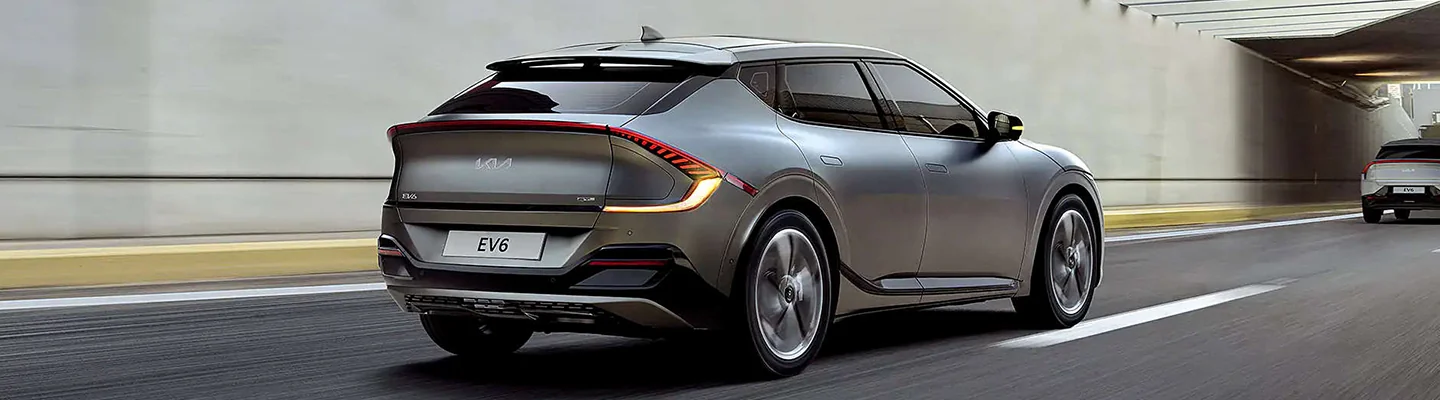
At Kia of Clermont, it doesn’t matter if you choose to purchase a hybrid, plug-in hybrid, or fully electric vehicle – we’ve got you covered. We feature a full inventory of new Kia vehicles for you to choose from, including stunning electric cars like the Kia EV6 and commanding Kia EV9. We even feature fantastic special offers and incentives to help you save on your favorite model.
We’re located in Clermont, FL, and proudly serve the surrounding communities of Kissimmee and Orlando, FL. Stop by Kia of Claremont today and test drive your favorite model!


0 comment(s) so far on The Difference Between Hybrid vs EV